
Per gli acquisti online: spese di spedizione gratuite da 25€ - Per i soci Coop o con tessera fedeltà Librerie.coop gratuite a partire da 19€.
EBOOK - pdf
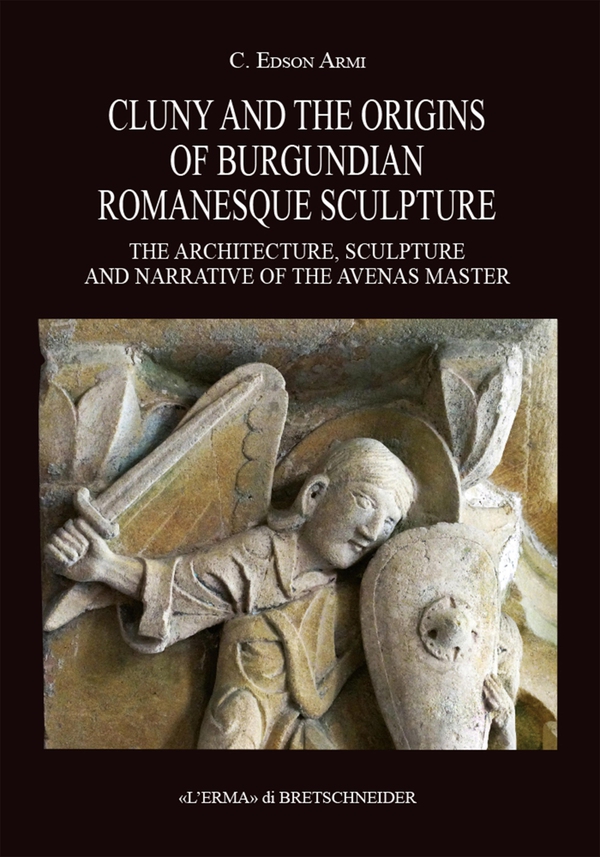
Cluny and the Origins of Burgundian Romanesque Sculpture
Protezione:
Social DRM
€ 90,00
Dettagli
| FORMATO | |
| EDITORE | L'Erma di Bretschneider |
| EAN | 9788891317483 |
| ANNO PUBBLICAZIONE | 2019 |
| CATEGORIA |
Arte Opere generali e dizionari Storia |
| LINGUA | eng |
Dispositivi supportati
Computer
E-Readers
iPhone/iPad
Androids
Kindle
Kobo
Descrizione
The role of individual sculptors in creating the ambulatory capitals in the largest basilica in Christendom at Cluny remains a mystery. The unresolved issue of individual creativity leaves open three important questions about this powerful abbey which controlled hundreds of monasteries throughout Europe in the eleventh century: What was the specific artistic context - the origin, training and career path of the major sculptors who worked at the mother church at the start of construction? What was the relationship, in time and influence, between the focal ambulatory capitals and similar sculptures at numerous local sites? And what role did artists play in determining the form and meaning of Cluny sculptures and related monuments? This book traces the career of a sculptor who worked on the earliest capitals in the abbey church at Cluny. It documents his artistic preferences at previous Burgundian projects, gathering a variety of evidence intended to be on the one hand precise, complex and subtle, and on the other convincingly repetitious. The findings are supported with high-resolution photographs taken at telling angles from high ladders and scaffolding. This version of the creative process at the mother church, in which the Cluniac brothers picked a local talent to carry out one of the most important sculptural commissions in Europe, differs markedly from the standard one based largely on presumed but undocumented artistic priorities of the monks. Prevailing theory assumes the monks had an international perspective when it came to art as they tried to establish at Cluny a new Rome as the centerpiece of their monastic empire.