
Per gli acquisti online: spese di spedizione gratuite da 25€ - Per i soci Coop o con tessera fedeltà Librerie.coop gratuite a partire da 19€.
EBOOK - pdf
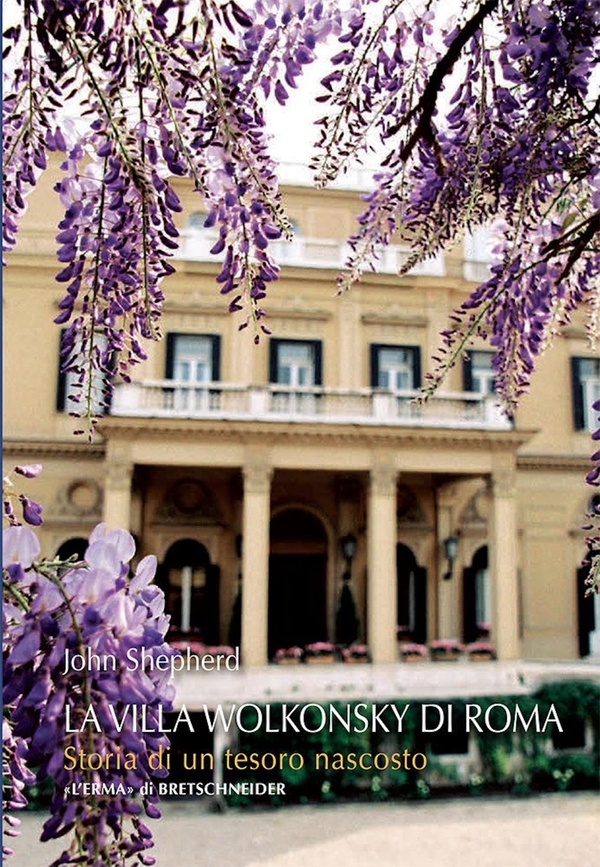
La Villa Wolkonsky di Roma
Protezione:
Social DRM
€ 70,00
Dettagli
| FORMATO | |
| EDITORE | L'Erma di Bretschneider |
| EAN | 9788891321848 |
| ANNO PUBBLICAZIONE | 2021 |
| CATEGORIA |
Design e moda Architettura e urbanistica Opere generali e dizionari |
| LINGUA | ita |
Dispositivi supportati
Computer
E-Readers
iPhone/iPad
Androids
Kindle
Kobo
Descrizione
Villa Wolkonsky, residenza ufficiale dell'ambasciatore britannico alla Repubblica Italiana, è oggetto di numerosi miti e storielle ma pochi studi. Le rovine dell'acquedotto neroniano dominante suo parco dimostrano che risale alla Roma imperiale. Nell'ottocento la principessa russa, Zenaïde Wolkonsky, vi costruì un casino, circondato da giardini, accogliendoci ospiti del mondo culturale europeo. In fine secolo la famiglia vi costruì un villino imponente ma nel 1922 vendè l'intera proprietà al governo tedesco che ingrandì il villino nel 1940.. Nel dopoguerra il governo britannico aquistò la Villa dal governo italiano, per uso ambasciatoriale. L'autore, ex-ambasciatore, dopo ricerche esaurienti, presenta la prima storia comprensiva di questo tesoro romano nascosto. The Villa Wolkonsky, Rome, is the incongruously named official residence of the British ambassador to Italy. Nestled within the city's Aurelian Wall, the site's history dates back to antiquity, its gardens dominated by the remains of a first-century imperial Roman aqueduct. In the 19th century a remarkable Russian princess, Zenaïde Wolkonsky, turned it into a country home and salon d'art with such illustrious visitors as Gogol, Turgenev and Fanny Mendelssohn. Following generations excavated Roman tombs, collected antiquities and built a new grand mansion, before selling the Villa to the German government in 1922. It remained the German embassy, being much enlarged, until the Liberation of Rome in 1944. After the war the UK bought it, first as embassy offices and residence and, since 1971, as the residence for the ambassador and other staff. In this handsomely illustrated volume, Sir John Shepherd, former ambassador, has undertaken new research to debunk long-held myths and present, for the first time, a comprehensive history of this hidden Roman treasure.