
Per gli acquisti online: spese di spedizione gratuite da 25€ - Per i soci Coop o con tessera fedeltà Librerie.coop gratuite a partire da 19€.
EBOOK - pdf
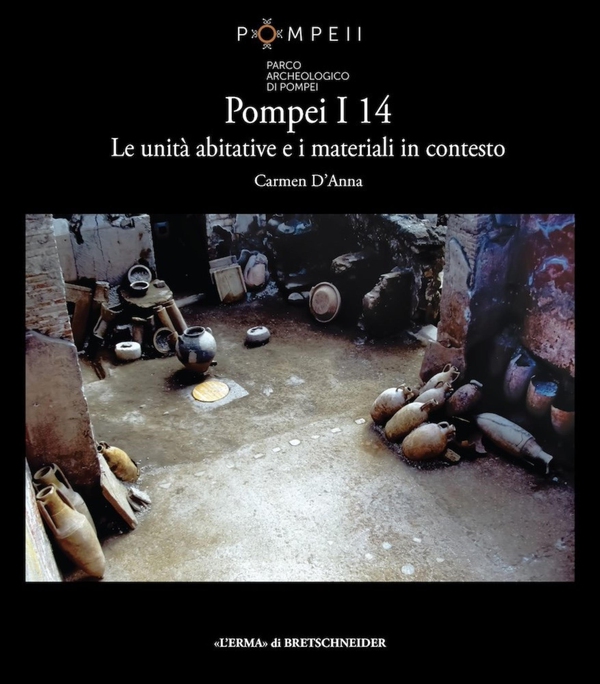
Pompei I 14
Protezione:
Social DRM
€ 390,00
Dettagli
| FORMATO | |
| EDITORE | L'Erma di Bretschneider |
| EAN | 9788891332288 |
| ANNO PUBBLICAZIONE | 2024 |
| CATEGORIA |
Storia |
| LINGUA | ita |
Dispositivi supportati
Computer
E-Readers
iPhone/iPad
Androids
Kindle
Kobo
Descrizione
L'immenso patrimonio edilizio delle città vesuviane rappresenta ancora un fertile terreno di ricerca, soprattutto se si analizzano contesti meno noti e di più recente esplorazione. Lo studio sull'insula I 14 ci restituisce le potenzialità di un'indagine di questo genere: un contesto sostanzialmente inedito, rivelatosi foriero di importanti riflessioni sui "modelli" insediativi del settore sud-orientale della città. L'analisi delle tecniche edilizie, dei rapporti stratigrafici e delle decorazioni parietali e pavimentali, ha consentito di ricostruire le macrofasi di occupazione dell'isolato. Le riflessioni più interessanti sono emerse dalla ricostruzione del primo periodo di frequentazione, mentre un'analisi più articolata dello status quo ante 79 d.C. è stata resa possibile dal recupero dei materiali in contesto. Lo studio dei reperti, limitatamente all'analisi della loro distribuzione e quantità, ha consentito di formulare ipotesi sullo stato di frequentazione delle singole unità abitative, e di far emergere profondi cambiamenti di destinazione d'uso degli spazi nel periodo immediatamente pre-eruttivo. The building heritage of the Vesuvian cities still represents a fertile ground for researchers, especially when attention is drawn to lesser-known contexts. The study on insula I 14 exemplifies the potential of this type of research about an unpublished context, which has proven to be foundamental in the reconstruction of the settlement "models" of this urban sector. The analysis of the construction techniques, stratigraphic relationships and decorations made it possible to reconstruct the macro-phases of occupation of the block. The most interesting reflections came from the first period of attendance, while a more detailed analysis of the status quo before 79 AD it was made possible by the recovery of materials. The study of the finds, their distribution and quantity, has allowed to formulate hypotheses on the state of the housing units, and to bring out changes in the use of the spaces in the era before the eruption.