
Per gli acquisti online: spese di spedizione gratuite da 25€ - Per i soci Coop o con tessera fedeltà Librerie.coop gratuite a partire da 19€.
EBOOK - pdf
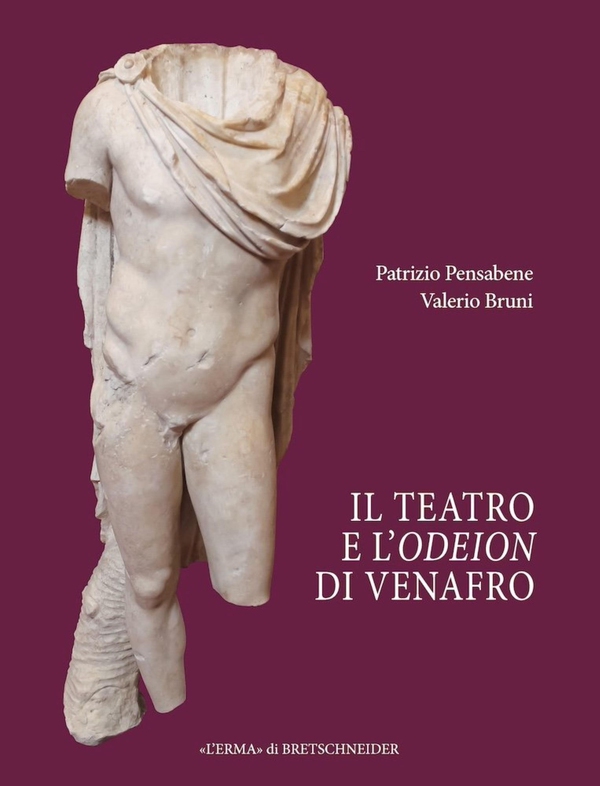
Il teatro e l'odeion di Venafro
Protezione:
Social DRM
€ 110,00
Dettagli
| FORMATO | |
| EDITORE | L'Erma di Bretschneider |
| EAN | 9788891333223 |
| ANNO PUBBLICAZIONE | 2024 |
| CATEGORIA |
Storia |
| LINGUA | ita |
Dispositivi supportati
Computer
E-Readers
iPhone/iPad
Androids
Kindle
Kobo
Descrizione
Il teatro romano di Venafro rappresenta un esempio canonico di edilizia da spettacolo di età imperiale. Il suo impianto in età augustea è testimoniato dalla cronologia di una parte della decorazione architettonica conservata e lo inserisce a pieno titolo nel panorama edilizio dell'epoca. L'età augustea è infatti caratterizzata da un forte interesse dell'imperatore, del suo entourage o delle élite locali nella trasformazione dello spazio urbano con la costruzione di edifici pubblici e in particolar modo di teatri: dal completamento a Roma di quei conspicuis terna theatra locis, cantati da Ovidio, con la costruzione del Teatro di Marcello fino ai numerosi altri esempi in ambito italico e provinciale. Nonostante gli scarsi resti portati alla luce finora delle strutture del teatro, la grande quantità di materiale architettonico rinvenuto negli anni ha permesso di ricostruire l'articolazione dell'edificio e proporre anche un'interpretazione dello sviluppo strutturale successivo all'epoca augustea. The Roman theatre of Venafro represents a canonical example of a spectacle building from the imperial age. Its installation in the Augustan age is evidenced by the chronology of a part of the preserved architectural decoration and places it fully within the building scene of the time. The Augustan age is characterised by a strong interest of the emperor, his entourage, or local elites in the transformation of urban space with the construction of public buildings and especially theatres: from the completion in Rome of that conspicuis terna theatra locis, sung about by Ovid, with the construction of the Theatre of Marcellus to the numerous other examples in the Italic and provincial area. Despite the scanty remains brought to light so far of the theatre structures, the large amount of architectural material found over the years has made it possible to reconstruct the articulation of the building and also to propose an interpretation of the structural development after the Augustan era.