
Per gli acquisti online: spese di spedizione gratuite da 25€ - Per i soci Coop o con tessera fedeltà Librerie.coop gratuite a partire da 19€.
EBOOK - epub 3
Descrizione
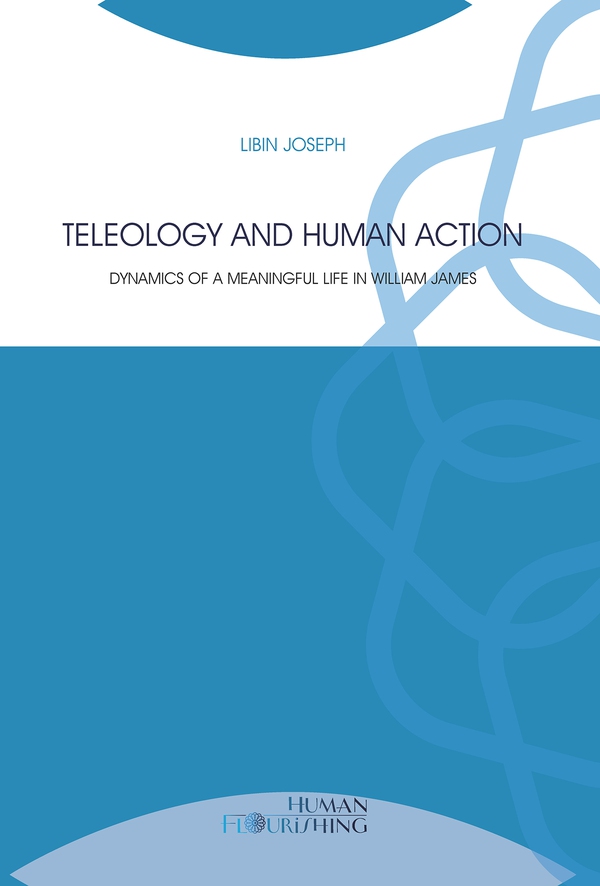
This book examines the role of teleology—understood as purposiveness or orientation toward ends—in shaping human action and the pursuit of a meaningful life. Centered on the philosophy of William James, it argues that his pragmatism places purposive human agency at the core of philosophical inquiry, integrating psychology, metaphysics, anthropology, epistemology, ethics, and religious thought into a coherent vision.
By synthesizing teleological insights dispersed throughout James’s writings, the work presents a systematic interpretation of his future-oriented philosophy. It explores themes such as selective attention, habit formation, the “will to believe” doctrine, meliorism, and a pragmatic understanding of truth, showing how these elements converge in a dynamic account of human striving.
The book situates the research in dialogue with Aristotelian virtue ethics, Viktor Frankl’s search for meaning, developments in positive psychology, and Thomas Aquinas’s vision of hope. It concludes that the integration of consciously chosen ideals and sustained, strenuous effort forms the foundation of a meaningful life, affirming purpose, creativity, and openness to transcendence as essential to human flourishing.
Libin Joseph is a Catholic religious priest from India belonging to the Little Flower Congregation (CST Fathers), Gorakhpur–Nepal Province. He holds a Doctorate in Philosophy from the Pontifical University of the Holy Cross, Rome. He currently serves as a Lecturer in Philosophy at Jnana Niketan Institute of Philosophy and Religion (Little Flower Major Seminary), Aluva, India, and is a visiting faculty member at many philosophy institutes. He has contributed scholarly articles to peer-reviewed journals. His academic interests include Philosophical Anthropology, Pragmatism, Virtue Ethics, and the History of Philosophy.